Are there things you try to practice daily to live a more sustainable lifestyle?
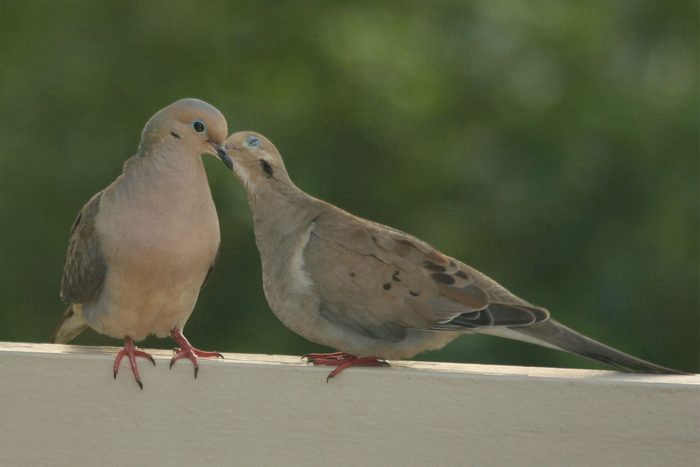
I didn’t want to answer this prompt by saying, “I recycle, reuse and repurpose,” not because I don’t do those things (I do), but because I felt like it would be a common answer. After a bit of deliberation, I found my prompt answer in an unusual spot. It seems the mourning doves felt very comfortable and a bit frisky in the front flower bed this morning.
That got me thinking. I have noticed there are teenaged squirrels in the backyard and teenaged starlings at the birdbath.
Thus, my contribution to sustainability is providing a natural reproductive habitat for birds, rodents, insects, and possibly Toady McToaderson – if he can find his mate one of these nights. Poor Toady.
I don’t know which is worse: the common name or the Latin name.
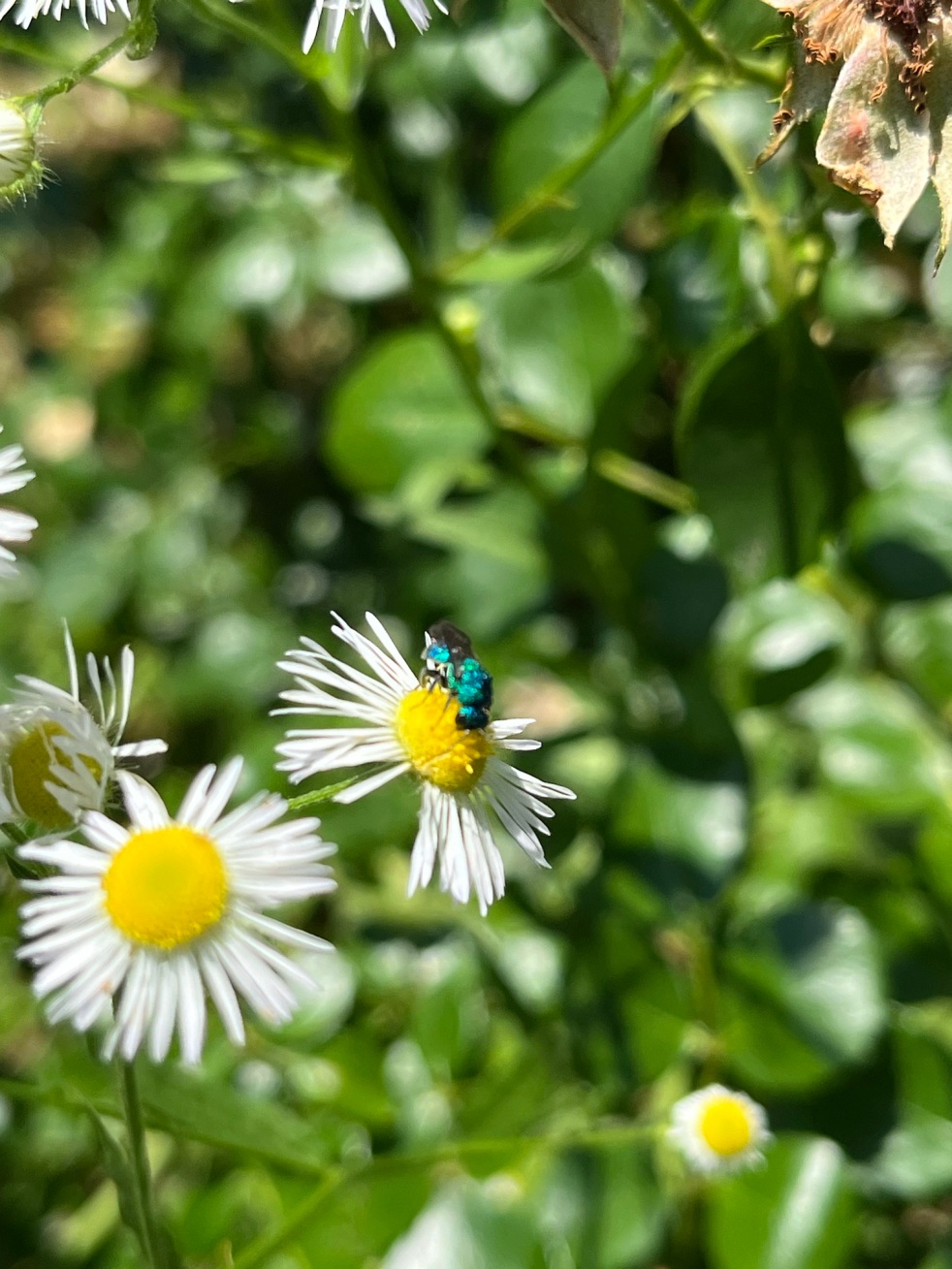
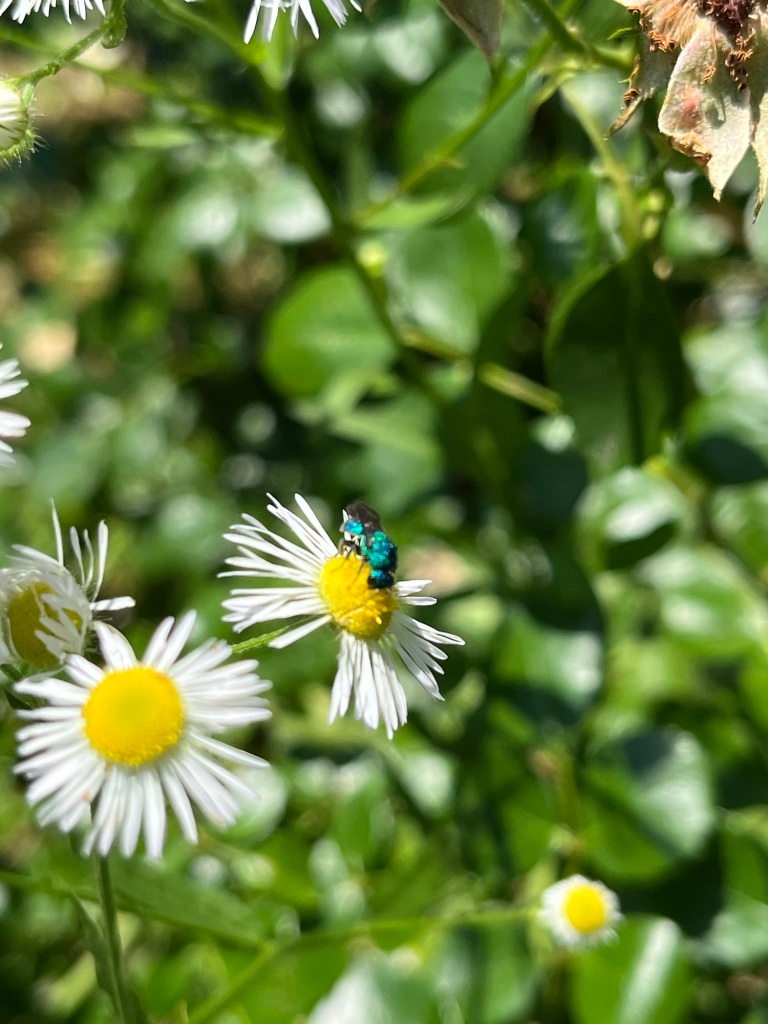
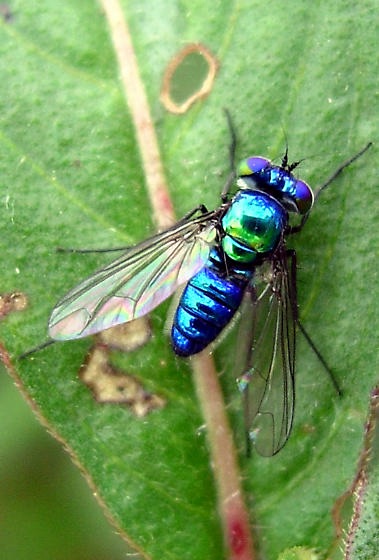
When I noticed this stunning bug on a wildflower that is growing up through my rosebush, its legs weren’t the first thing I thought about, nor clamored to see. My first thought wasn’t “I need to be able to judge its leg length compared to other flies’ leg lengths!” I had never seen one of these before, and I am not sure that I ever will again. It is not native to my area.
I tried not to scare it away as I reached for my phone. You know how I like to chase things that are cute – or in this case stunningly beautiful – and you know how they run away from me (bunnies, bumblebees, butterflies, I’m looking at you…). I inched closer to this marvelous being, and was able to capture a few shots. Unfortunately, my phone was completely captivated and was unable to focus on the creature very well, and I ended up with only one decent photo.
After the Beauty Queen of the Backyard flew off, I went inside and did some research. Google told me this electrifyingly blue-green insect was called a Long-Legged Fly. First of all, this bug did not have Daddy-Long Leg legs – that would have been pretty obvious, and honestly? Ridiculous. My second complaint was: why are we focusing on legs when we have an entire blue-green iridescent body that is deserving of a better name than one given to a hillbilly at a dive bar in a Holler?
And then there is the Latin, official name: Condylostylus mundus. Really? The only thing I see here is stylus, and maybe that is vaguely appropriate, but we need to alter the word to stylish.
A far better photo, likely by a professional who doesn’t chase down shiny creatures in the backyard
In summary, I have renamed this fly, which, by the way, eats aphids and other pests, and is completely not like the regular fly that we associate with trash and maggots. (Sidebar: I absolutely abhor maggots, and will run for the hills, alternatively screeching and gagging if I see even one of them.) Flies are disgusting. I know they’re necessary, but I also know every time they land they throw up, and I can be down with the delectable bee vomit, but I am not down with fly vomit under any circumstances.
But I digress. Back to the stylish fly. I’ve decided to rename it, and I think that the governing bodies of naming insects should listen to me.
AKA Lightning Bugs, these precious creatures are dwindling in numbers. Pesticide use, along with light pollution – i.e. bright lights alongside of your house, in your yard, and in your neighborhood, as well as more urban area lighting in general are contributing factors in the decline in numbers that we are seeing.
I used to see hundreds of them in my backyard every summer starting in June. Seeing them is a staple of summer. Seeing them is a marker that summer is here. Seeing less of them each year is concerning.
I went on a quest this morning to see if there was an organization or any way that I can contribute to slowing the progression of possible extinction of these beetles – the projection is 20 years and they will be no more. I can’t imagine a world without lightning bugs.
I found an organization that collects scientific data on fireflies, and the best part is that we can all contribute. It’s science and it’s fun!
The organization is called Firefly Atlas, and, well, that’s pretty much what it is.
The Firefly Atlas is a collaborative effort to better understand and conserve the diversity of fireflies in North America. Launched in 2022, the project aims to advance our collective understanding of firefly species’ distributions, phenology, and habitat associations, as well as to identify threats to their populations.
Although the Atlas tracks all species described from the US and Canada, we are currently prioritizing efforts for a subset of 13 threatened and data deficient species found in three focal regions of the US: the Mid-Atlantic, Southeast, and Southwest. These priority regions were chosen based upon having a high number of threatened species (Fig 1) and/or a high number of data deficient species (Fig 2).
Identify the fireflies in your photos, with the potential for verification by experts;
Download a species checklist for your state or province of interest;
Learn more about fireflies, their ecology, and ongoing conservation efforts;
Help researchers better understand the distribution of fireflies; and
Connect with other researchers, land managers, and community scientists.
Whether you already keep records of firefly observations, work as a conservation professional, or are simply curious to learn more about the fireflies in your area, please consider joining our efforts!
Please follow this link and if you feel inspired, let the little scientist in you participate. If you are not able to participate, please consider donating to this organization that is collectively trying to save our beloved, luminescent-bootied summer creatures.
Hundreds of fireflies, you would not believe your eyes
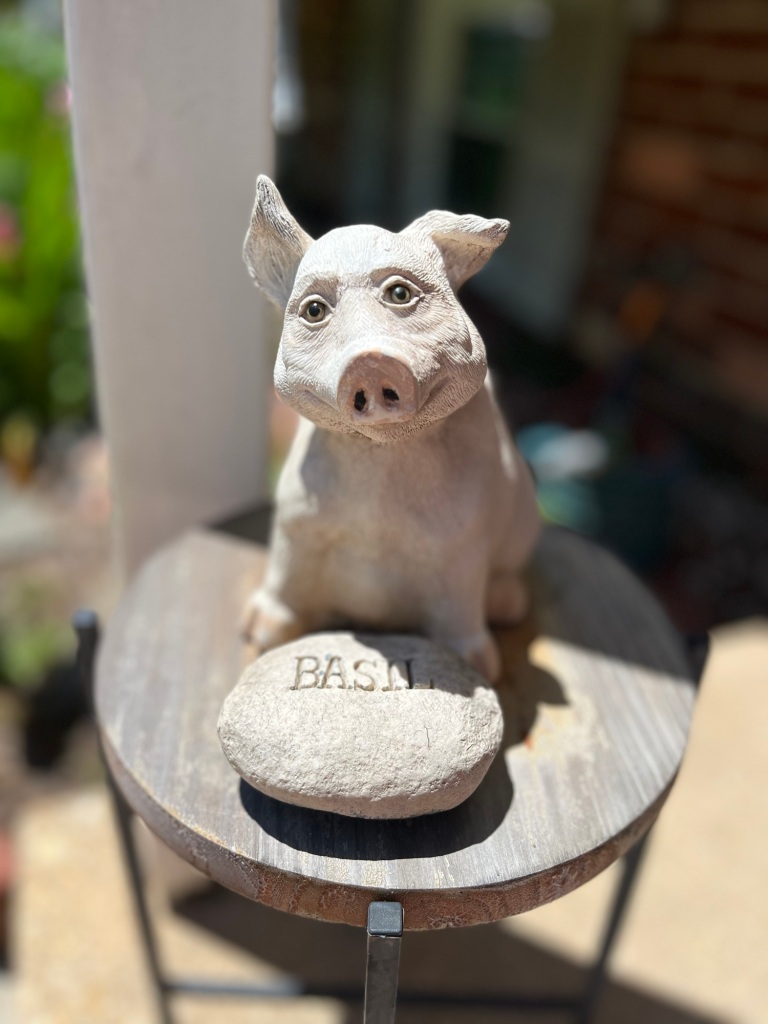
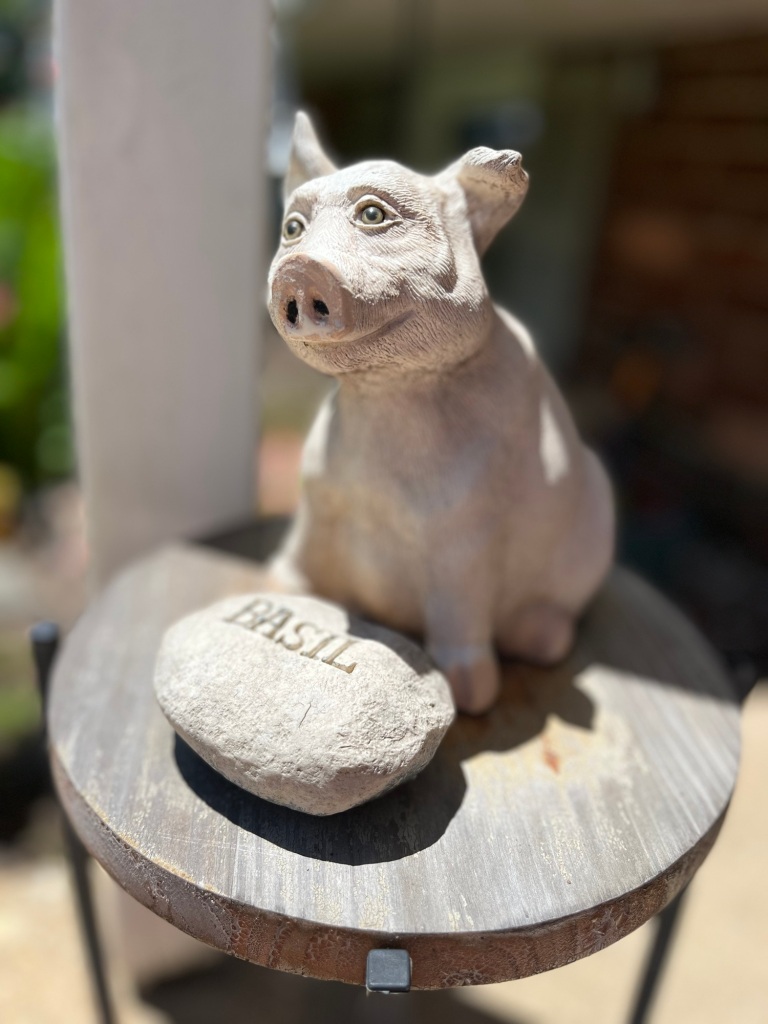
His name isn’t really Basil, but I’ve decided to call him Basil because I am not growing basil this year, and I don’t want to put the stone in front of the lavender plant because that’s not accurate.
This is my mom’s pig. He’s rather old and he’s spent all of his life outside through all of the seasons, so he’s a bit weathered. I’ve recently started bringing him into the shed for the winter, so he doesn’t completely fall apart. (Relatable, am I right?)
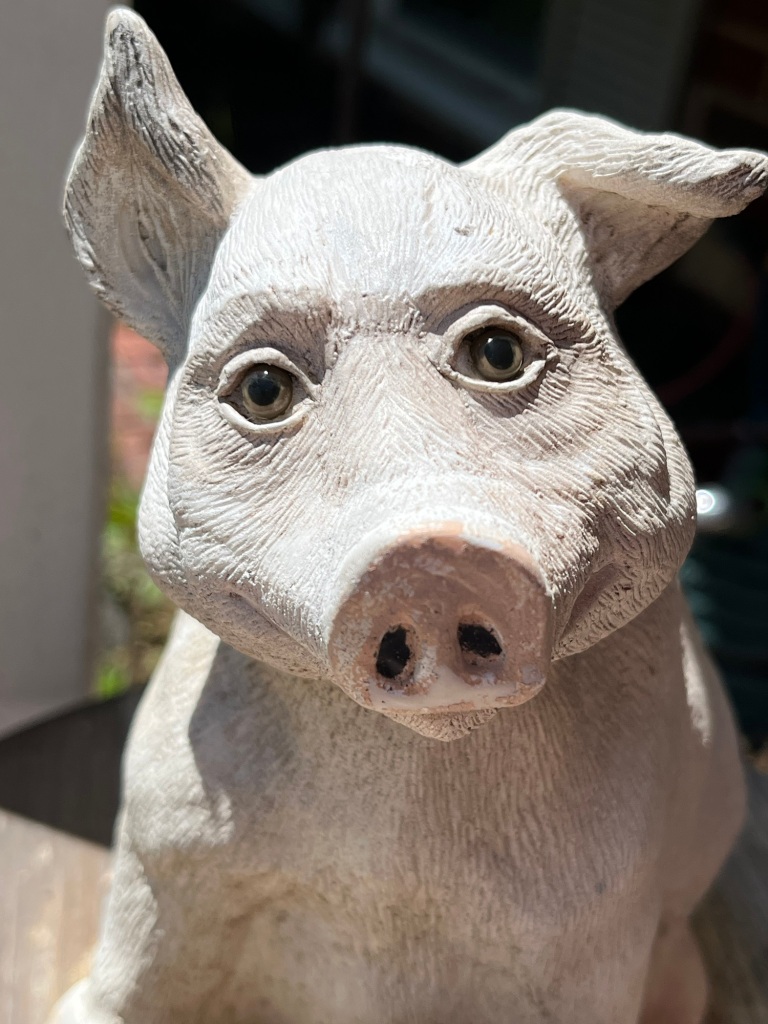
Last week during a nice spell of weather, I sat on the front porch step and studied Basil. He almost has a human-like expression, and if a garden ornament has kind eyes, he does.
So what do I do when I see something that interests me? That’s right, I grab my phone and capture a photo or two. If it’s butterflies, maybe ten.
Without further ado, say hello to Basil. He is friendly and a great listener.
Gentle piggyHis smile shows here Look at the eyes on this pig – so well done!
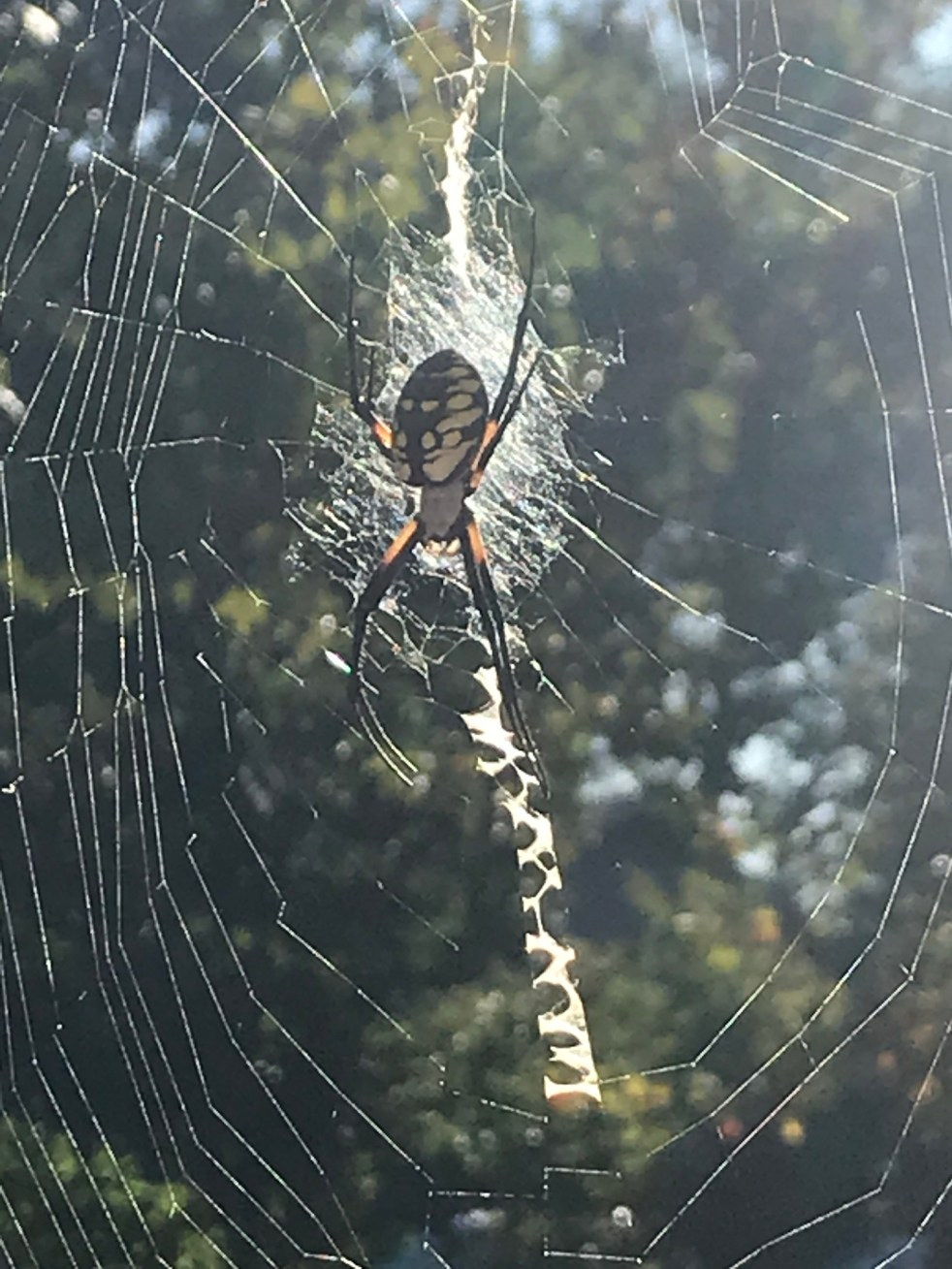
I shared this on Instagram today, and I’ve talked about Katherine a few times to fellow bloggers. I’m sharing the reel I made because maybe a few of you will be interested in seeing Katherine, an Orb Weaver that took up residence on my front porch a few years ago. She was majestic and fascinating. She laid two egg sacks in the clematis, which I promised her I would move to a safer spot once she was gone. She lived until mid December, which was quite a long time for a spider. I hope you enjoy the video. 🕸️🤍
The flowers are blossoming, and the critters are crittering.
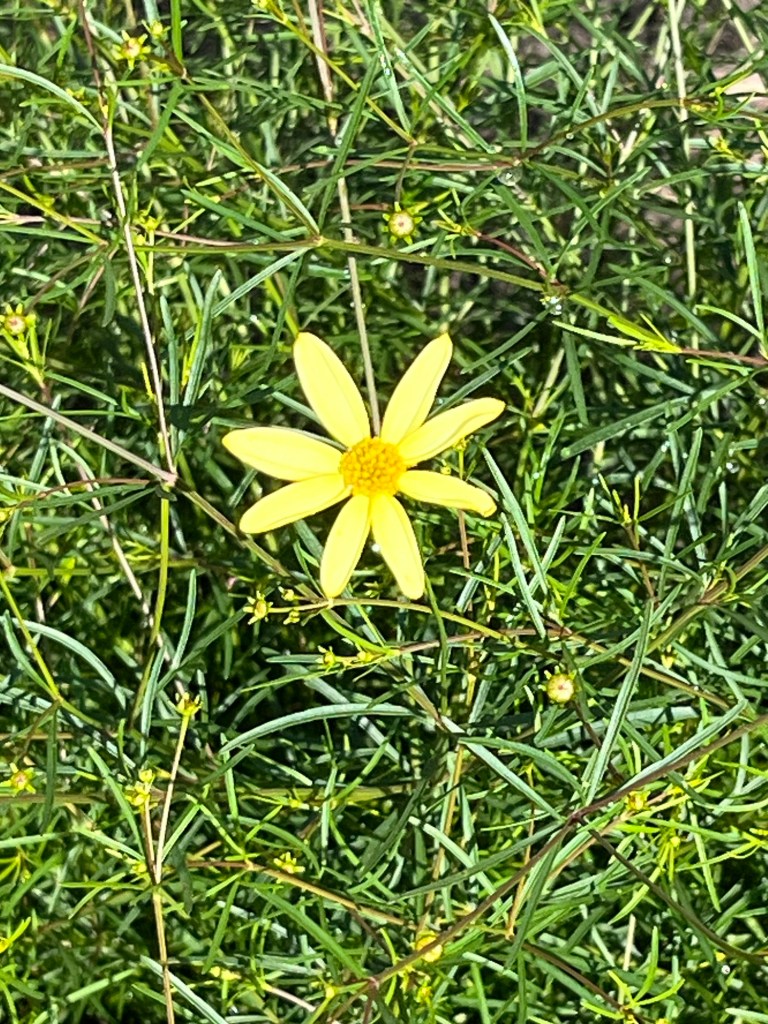
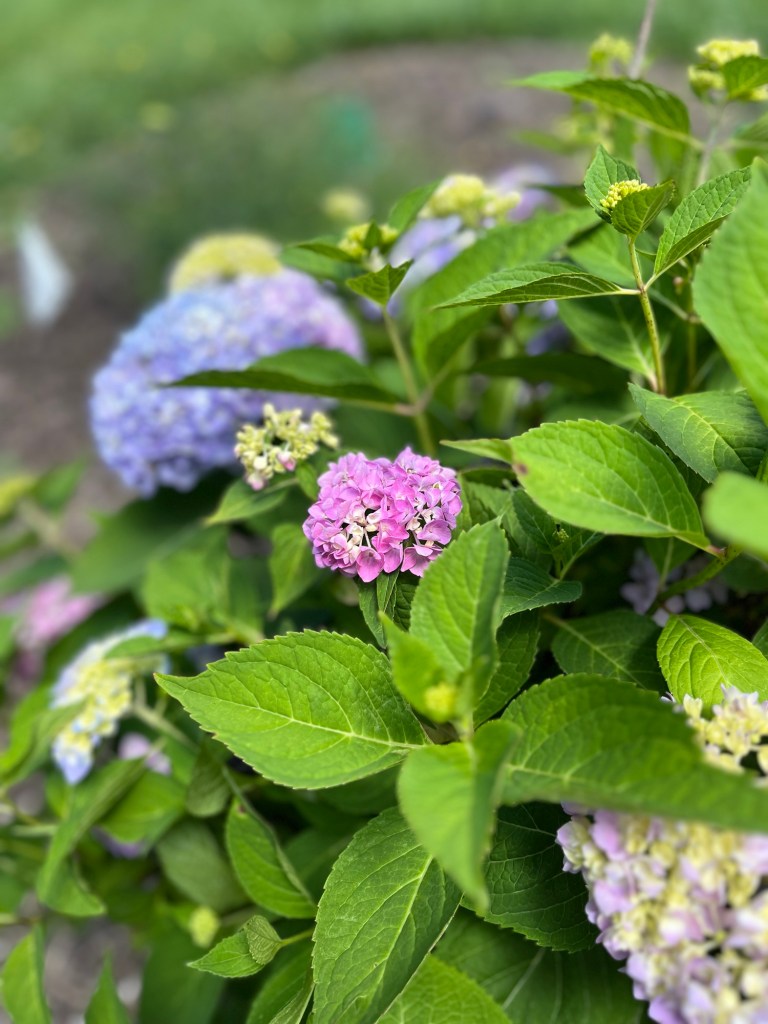
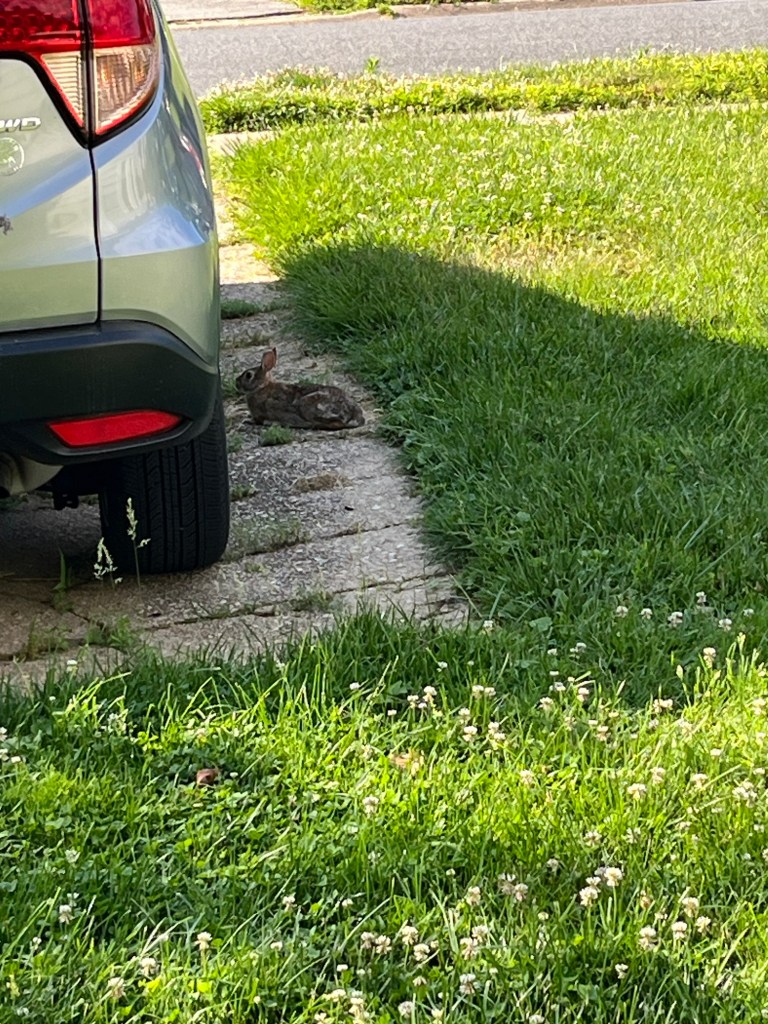
First coreopsis bloomClematis in full bloomTiger Lillies are in bloomThe hydrangea are in bloom Pretty colorsHundreds of baby lightning bugs/fireflies live in my grass – I’m avoiding stepping in the grass so I don’t squash them! Bunny doing bunny things
I’ve been capturing a lot of flowers lately. We’re still waiting on the Calla lilies, the daisies, the clematis and the hydrangea. Everything else is blooming or almost done blooming. Special bonus photos at the bottom.
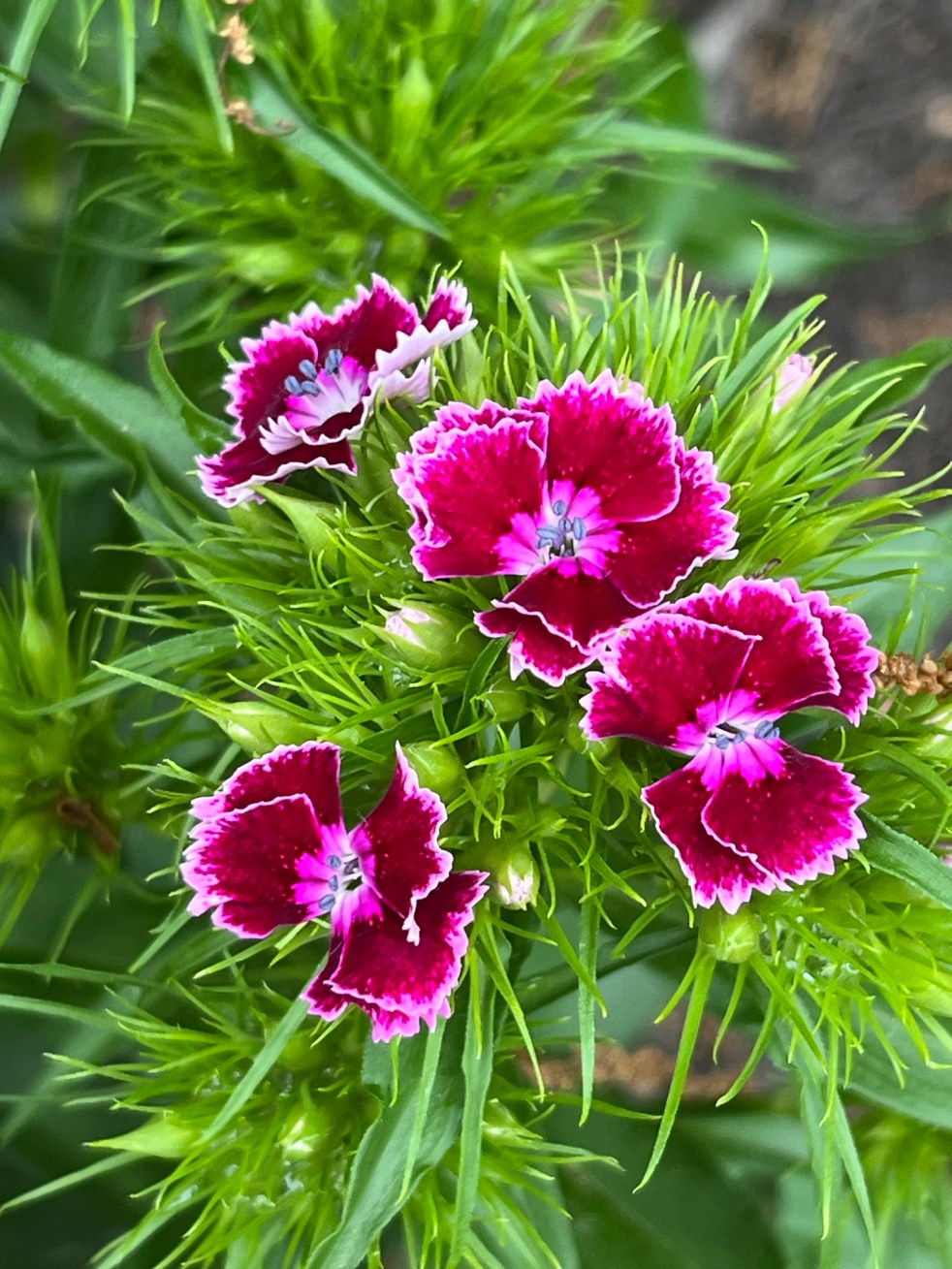
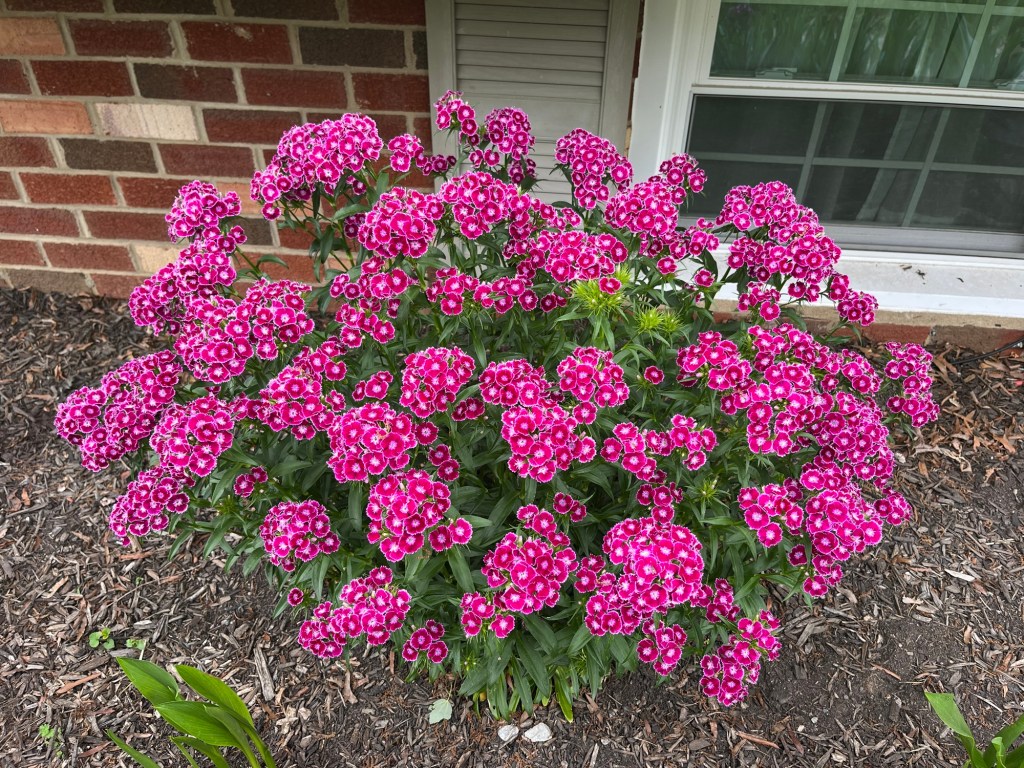
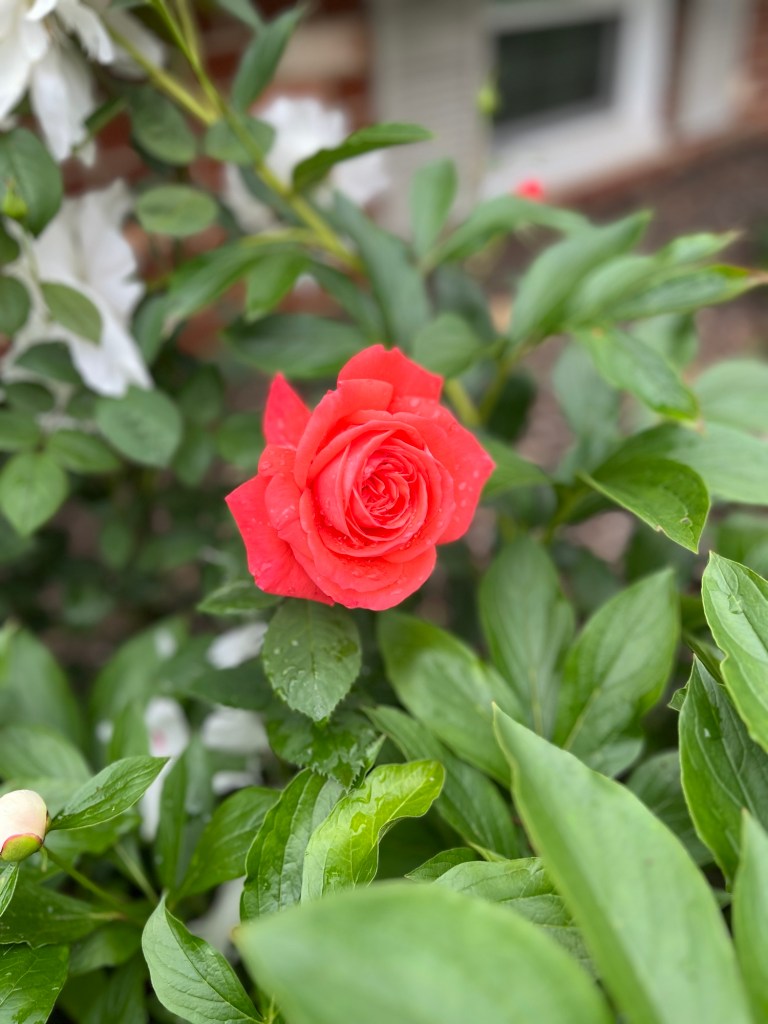
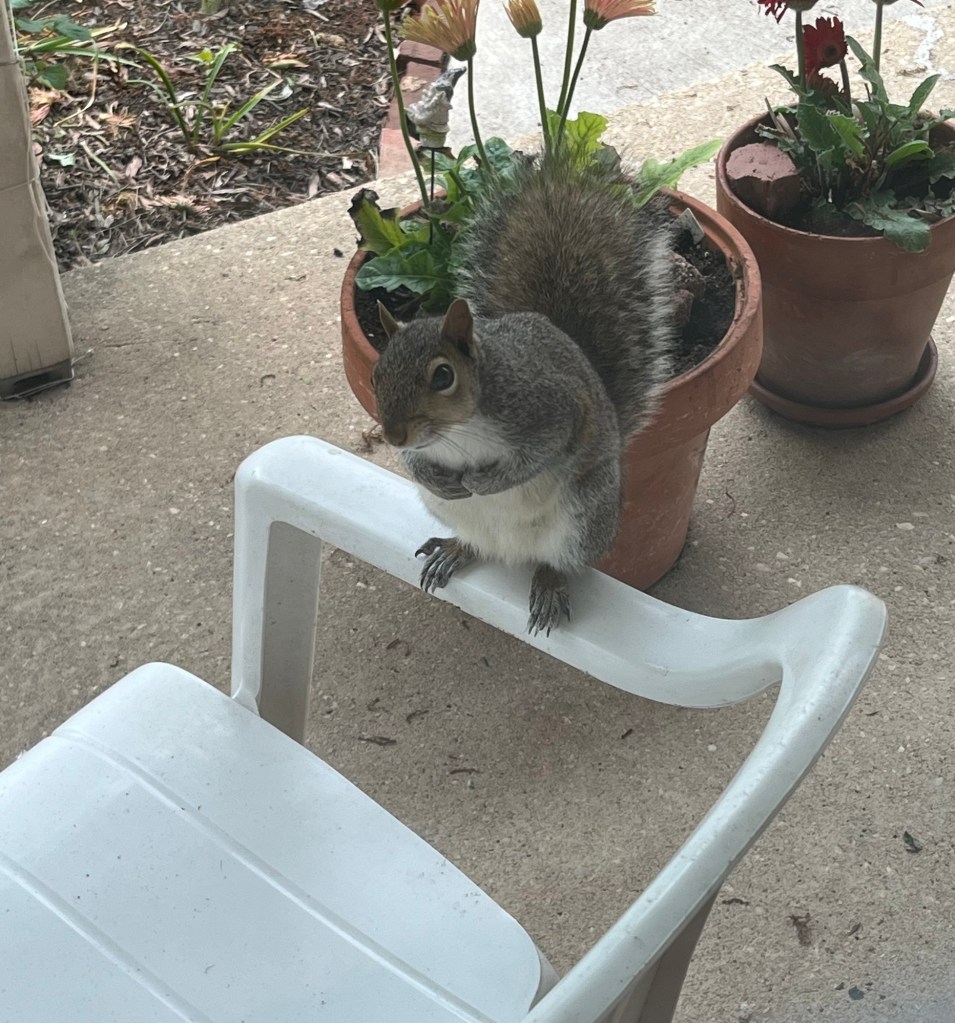
DIANTHUS!!! (Yes, I’m yelling – look at this thing!)White peony with dashes of pink. Yes, they smell divine. Unfortunately, the rains have decimated the peonies. This is my lavender seedling. Unfortunately, the rains have caused this little guy to struggle. Lavender does not like a lot of rain, and that’s all the skies are giving.BLUE HASTA is taking up so much space I had to clip some of the leaves in the back of the plant so that the Calla lilies could survive. They are not quite blooming.Wild strawberry growing amongst the clover.Coral-colored rose. Yes, it smells divine.Susie watching birds.Ma’am. I can’t resist her little hands folded like that. Yesterday we almost had a crisis, however. Ma’am was over-eager for the peanuts and tried to enter the house. Crisis averted.Don’t ask me how, but I captured this male cardinal in mid-flight. He loves peanuts. He will yell at me through the window if he sees me in the house. He doesn’t go to bed until very late, and will yell at me until about 8:30pm. I yell back that he should be in bed by now, he’s a bird.
















 “It's Amy,” I said.